In stock
CA $160.49
68 items in stock
Quality For FREE Shipping
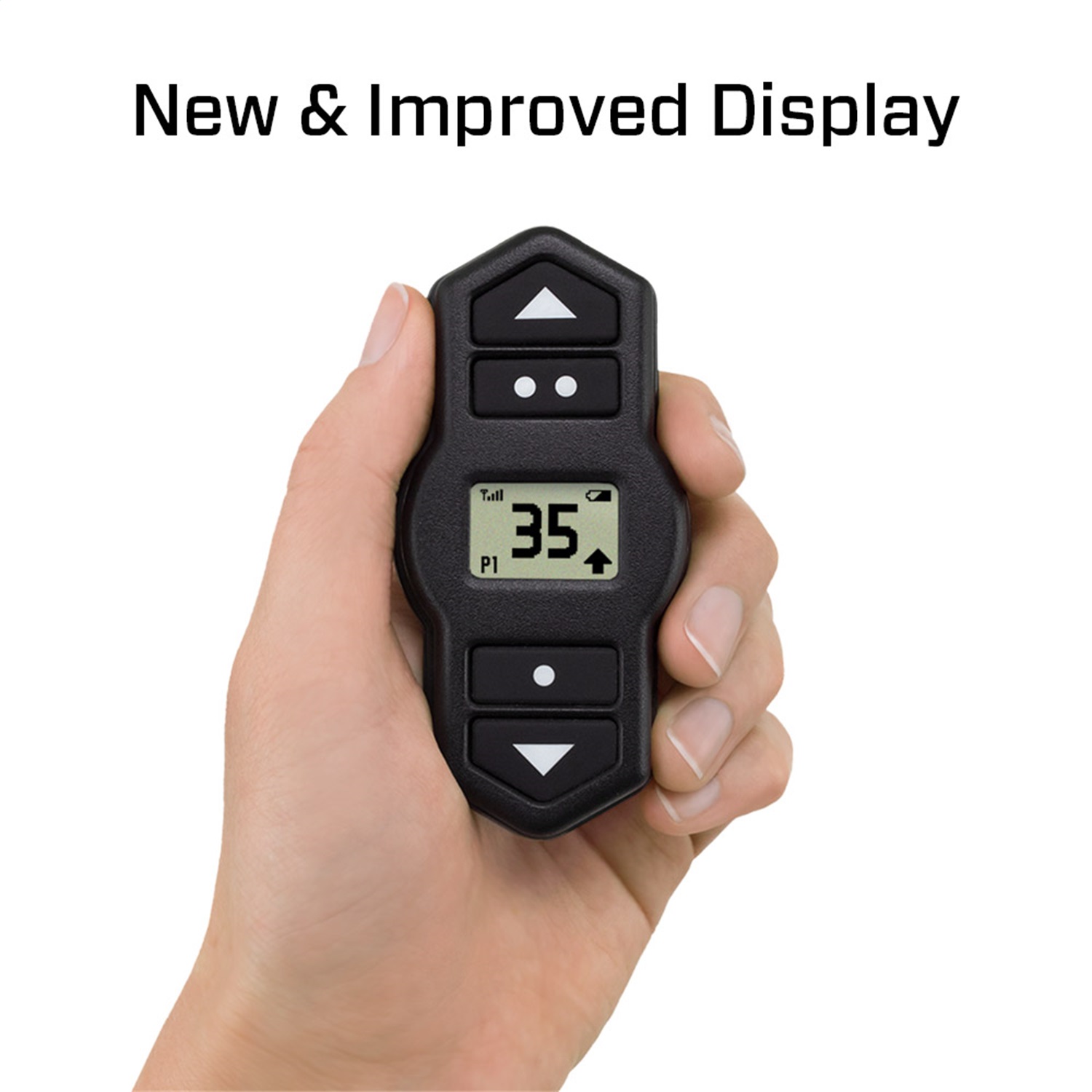
72719-W• Suspension Air System Remote Controller
Add Vehicle to Confirm Fitment
Select your vehicle to see compatible products and accurate pricing
At MTX Performance, we stock over thousands of suspension parts for cars and trucks, control arms, ball joints, bushings, sway bar links, struts and shock absorbers, subframe components, and full air suspension and lift-kit systems. Every part is fitment-verified for your exact year, make, and model before it ships. Whether you're replacing a worn bushing or building out a towing-ready air suspension setup, you'll find OE-style replacement parts and performance/off-road gear below
CA $160.49
68 items in stock
Select your vehicle to see compatible products and accurate pricing
A suspension system is built from several components working together to keep your wheels planted and your ride controlled. Springs (coil, leaf, or air) absorb impact from bumps, while shock absorbers or struts control how quickly the springs rebound.
Control arms connect the wheel hub to the vehicle's frame and pivot on bushings and ball joints, which allow controlled movement while absorbing vibration. A sway bar (stabilizer bar) and its links reduce body roll in corners, and the subframe ties major suspension components to the chassis.
Here are some of the most frequently replaced suspension parts, real examples from our catalog:
Yes. A strut combines a shock absorber and a coil spring into a single unit, and it's a core part of the suspension on most modern vehicles, particularly front-wheel-drive cars using a MacPherson strut design.
Struts do double duty: damping road impact like a shock absorber while also supporting part of the vehicle's weight, which a standalone shock absorber doesn't do.
There's more than one way to categorize suspension systems, but one common framework groups them into four types:
Front suspension parts, control arms, ball joints, and struts, tend to wear faster on front-wheel-drive vehicles, since the front axle handles steering, more of the vehicle's weight, and (on FWD vehicles) power delivery all at once. Rear suspension components generally see less load, though this varies by drivetrain layout and vehicle type.
Standard coil-spring-and-strut setups are the default on most vehicles: durable, straightforward to service, and cost-effective. Air suspension replaces the coil spring with an adjustable air spring, letting you raise or lower ride height and add load-leveling capacity, popular for towing, hauling, and lifted truck builds.
If you're upgrading rather than replacing worn OE parts, air suspension and leveling kits from brands like Air Lift and Firestone Ride-Rite are a common next step for truck owners.
We also carry a few complementary brands alongside our suspension lineup that cross-sell into towing and off-road setups: AutoMeter (gauges, including air pressure monitoring for air suspension systems), Kleinn Automotive Accessories (air-line and air-horn accessories), and MBRP (exhaust systems, often paired with suspension upgrades on the same truck build). These aren't suspension component manufacturers themselves, but they're commonly bought alongside suspension and lift work.
Suspension repair costs vary widely depending on which parts need replacing, a single bushing or sway bar link is a relatively minor job, while multiple worn components (struts, control arms, bushings all at once) add up quickly.
For a general sense of typical cost ranges by component, ConsumerAffairs' suspension repair cost breakdown is a useful reference point, though your actual cost will depend on your vehicle and the parts involved.
Suspension kits typically bundle several related parts together, for example, a control arm kit often includes the arm, bushings, and ball joint in one assembly, saving you from sourcing each piece separately. Since pricing depends on your year, make, and model, use our vehicle selector to see current CAD pricing. Because MTX Performance ships from within Canada, you won't pay the duty or brokerage fees that can apply to cross-border orders from some US retailers.
Any of these are worth having inspected, since worn suspension parts can also accelerate tire and steering component wear.
There's no single mileage rule that applies to every component or vehicle, wear depends heavily on driving conditions, road quality, and vehicle load. That said, industry experts commonly cite a general range of 50,000 to 80,000 miles for many suspension components under normal conditions, with rubber bushings and shocks often being among the first to show wear.
Modern Tire Dealer's roundup of expert advice is a good reference on how professionals actually evaluate suspension wear, condition and noise matter more than mileage alone.
Some suspension work is DIY-friendly with the right tools, sway bar links, some bushings, and certain bolt-on kits can be manageable in a home garage. Other jobs, particularly struts under spring load, ball joints requiring a press, or subframe work, involve stored spring energy or specialized tools and are safer left to a technician with a lift and the right equipment. If you're not confident diagnosing which parts are actually worn, a professional inspection is worth it before ordering parts.
What are the parts of the suspension? Core components include springs (coil, leaf, or air), shock absorbers or struts, control arms, ball joints, bushings, a sway bar and its links, and the subframe.
What are the 4 types of suspension? One common framework: Independent, Dependent (rigid axle), Semi-Independent, and Air suspension. Other categorizations (by spring type, for example) also exist.
Is a strut part of the suspension? Yes. A strut combines a shock absorber and coil spring into one unit and supports part of the vehicle's weight, unlike a standalone shock.
Is suspension expensive to fix? It depends entirely on which parts need replacing. A single bushing or link is a minor cost; multiple components at once add up. Check our vehicle selector for accurate CAD pricing on your vehicle.
How do you tell if suspension parts are bad? Common signs include clunking over bumps, uneven tire wear, nose-diving under braking, a bouncy ride, or pulling to one side.
How often should suspension parts be replaced? There's no universal mileage rule, but many components show wear in the 50,000–80,000-mile range under normal conditions. Condition and noise matter more than mileage alone.
Can you replace suspension parts yourself? Some parts, like sway bar links or certain bushings, are DIY-friendly. Others, like struts or ball joints, involve stored spring energy or specialized tools and are safer left to a technician.
What parts come with a suspension kit? It depends on the kit. A control arm kit, for example, often bundles the arm, bushings, and ball joint together in one assembly rather than requiring each part separately.